Generative Engine Optimization for Crypto: How to Get Named by AI
Generative engine optimization decides which crypto products ChatGPT, Perplexity and Google's AI name when a newcomer asks where to start. Coinbase and Kraken already hold 22% of those citations, and the specific
Key takeaways
Generative engine optimization (GEO) is the work of getting your product named inside the answers that ChatGPT, Perplexity, Gemini and Google's AI Overviews give, and the research paper that coined the term found the right content changes can lift visibility by up to 40%.
In US crypto, Coinbase and Kraken already take 22% of all AI citations for consumer questions, four times the next exchange, so the generic "where do I buy bitcoin" answer is largely claimed.
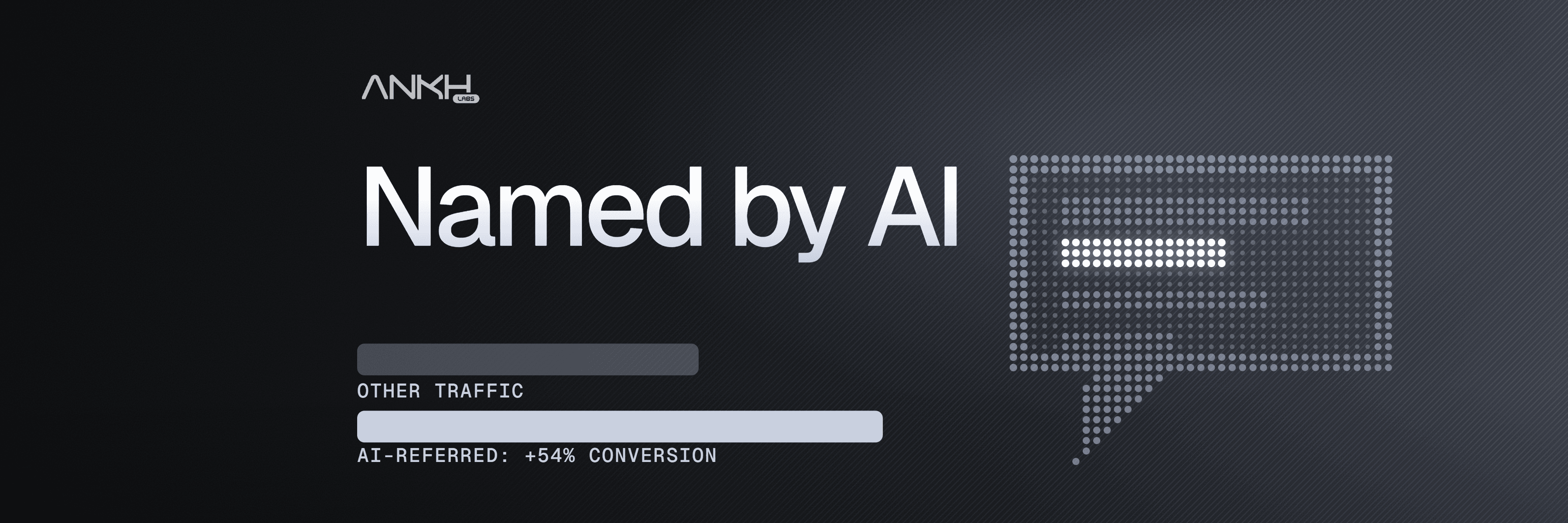
AI search sends fewer visitors than Google, but Adobe found AI-referred shoppers now convert 54% better than other traffic, which makes it a smaller and warmer channel that crypto teams should measure every month.
Generative engine optimization is the fight to be named when someone asks an AI where to trade, stake or buy, and in crypto that fight has quietly taken over a big part of the old search game. Try asking ChatGPT, Claude and Perplexity the question your next thousand users will ask, whether that's "what's the safest way to buy crypto", "best platform to trade perps" or "where should I stake". Somewhere in those three paragraphs is a shortlist, assembled in seconds by a system that has already decided who belongs on it, and if you're not in that paragraph, you didn't lose the comparison, because you were never in it.
Discovery is moving to these answers faster than the traffic numbers suggest. ChatGPT reached 900 million weekly users in February 2026, and the SEO firm Ahrefs measured its search-style questions at about 12% of Google's volume, while Google still sends websites about 190 times more traffic. The questions moved but the clicks didn't follow, because the answer now happens on the AI's page instead of yours. Pew Research tracked 900 US adults and found that when Google shows an AI summary, people click a normal result in 8% of visits instead of 15%, and click a link inside the summary just 1% of the time.
The first page of your funnel is now a paragraph you didn't write, comparing you to rivals you didn't choose.
What is generative engine optimization?
Generative engine optimization, or GEO, is the practice of shaping your content and reputation so that AI answer engines such as ChatGPT, Perplexity, Gemini and Google's AI Overviews mention and cite you. Where classic SEO aims for a ranked blue link, GEO aims for a place inside the generated answer itself, which is often the only thing the user reads.
The term comes from a 2023 research paper, later accepted at the KDD 2024 conference, which found that changes such as adding sources, quotes and statistics could raise a page's visibility in AI answers by up to 40%. The bigger shift is in who does the evaluating. For twenty years the deal with search was simple, because Google ranked, the user clicked and you did the convincing on your own site. AI search breaks that deal, since the model reads everything, forms a verdict and delivers it directly, so a new user meets your product for the first time inside someone else's summary of it.
You can see the effect at scale in publishing. Similarweb data reported by Press Gazette shows that news searches ending with no click at all rose from 56% to almost 69% in the year after Google's AI Overviews launched in May 2024. Crypto is a research-heavy purchase, which makes it exactly the kind of category where people ask first and click later, if at all.
Is AI search worth it if it sends less traffic?
Yes, because the visitors who do arrive from AI search are much further down the funnel. Adobe found that AI-referred traffic to US retail sites grew 1,324% since October 2024 and, by May 2026, converted 54% better than visitors from other sources. You get fewer clicks, but each one arrives already compared and pre-sold.
A year earlier the same traffic converted worse than normal visitors, and the reversal makes sense once people trust the answers enough to act on them. Someone arriving from an AI recommendation has already asked the comparison question, read the verdict and picked you. The same logic is pushing commerce toward AI shopping agents that buy on a user's behalf, where the model doesn't just shortlist the product but completes the purchase too.
Crypto's answer box is already being claimed
If this sounds like a next-year problem, the incumbents disagree. The PR firm 5W ran more than 65 typical consumer crypto questions through ChatGPT, Claude, Perplexity, Gemini and Google's AI Overviews in early 2026 and found that Coinbase and Kraken alone captured 22% of all AI citations in US crypto, with the next exchange, Gemini, at 5.5%. It's one firm's study with a small sample, so we wouldn't lean on the exact number, but the pattern matches what we see when we run the questions ourselves. General questions route to a few big, regulated, well-documented names, and everyone else is invisible at the exact moment a newcomer decides where to start.
The opening is in the specific question. The AI that defaults to Coinbase for "how do I buy bitcoin" gives a much more open answer to "best chain to launch a token on" or "cheapest way to send stablecoins to Brazil". Those category questions are still up for grabs, and almost nobody in web3 is competing for them on purpose, which is odd for an industry that keeps marketing to the same ten million people and says it wants new users.
How do you rank in ChatGPT and other AI search engines?
You rank in ChatGPT by becoming the source it finds easiest to trust and quote, which means clear comparisons, facts in plain text and agreement from sites you don't own. Wix studied more than a million AI citations and found list-style comparison articles are the most cited format, at 21.9% of all citations and around 40% for shopping-type questions.
The same Wix research found that simple product pages win when the user is ready to buy, taking about 25% of citations for those questions, and that what the user intends to do predicts what gets cited better than the industry or even which AI you ask. So a crypto team needs two kinds of pages, honest comparisons for the people still choosing and clean product pages for the people who have already chosen.
There's one more wrinkle. Semrush tracked more than 100 million citations over thirteen weeks in 2025 and found that Reddit went from appearing in close to 60% of ChatGPT answers in early August to about 10% by mid-September. The rules of AI search optimization can be learned, but they don't stay learned, so this has to be a habit rather than a one-off project.
What we'd tell a founder about generative engine optimization
Make "share of model" a number someone owns. Once a month, ask the twenty questions your ideal user asks across four or five AIs and write down who gets named. It costs one afternoon, and most teams have never done it once, which means they don't know whether their category's funnel starts with a competitor's name.
Write the comparison you're afraid of. AIs cite honest, structured comparisons far more than brand pages. A genuinely fair "X vs Y vs us, and who each one is for" page, with the facts in plain text instead of animations, is now a distribution asset rather than an admission of weakness.
Get named on sites you don't own. An AI deciding what's true looks for agreement from sources you don't control, whether that's documentation other people link to, neutral coverage or real users vouching for you in real threads. Your own site saying you're the best is one vote, and everyone else agreeing is the election. The same targeting discipline behind AI marketing agents applies here, because the work is choosing which questions and which sources matter.
Don't abandon Google for the new channel. Gartner's famous prediction that search volume would fall 25% by 2026 is running late, and Alphabet's search revenue grew 17% to $63.3 billion in the second quarter of 2026, with Sundar Pichai crediting AI features for query growth. This is a both-channels year, and the mistake isn't moving slowly but assuming the answer layer will wait until you're ready.
There's no price list for the AI's answer. ChatGPT now shows ads, but OpenAI says they sit clearly labeled and separate from the response, so you can buy the space under the paragraph and still not be in it. All you can do is become the kind of product a system hunting for the correct answer keeps reaching for, which means documented, corroborated, easy to read and actually liked. For teams whose product is real, that's the first fair fight in years.
Frequently asked questions
What is the difference between SEO and GEO?
SEO aims to rank a link on a search results page so a user clicks through to your site. Generative engine optimization aims to get your brand named and cited inside an AI-written answer, which many users read without clicking anything. Pew found only 1% of visits with a Google AI summary led to a click on a link inside it.
Does ChatGPT send traffic to websites?
Some, but far less than Google. Ahrefs found ChatGPT handles about 12% of Google's search-style volume while Google sends websites about 190 times more referral traffic. The traffic ChatGPT and other AI tools do send tends to be high intent, and Adobe measured AI-referred retail visitors converting 54% better than other visitors in May 2026.
Which crypto brands do AI search engines recommend most?
For general consumer questions in the US, the big regulated exchanges dominate. A 2026 index by the PR firm 5W found Coinbase took 13% and Kraken 9% of AI citations across more than 65 crypto questions, with Gemini next at 5.5%. Narrower questions about specific chains, products or countries give much more open answers.
Can you pay to appear in ChatGPT's answers?
No. OpenAI began testing ads in ChatGPT in early 2026, but it says sponsored placements are labeled and kept separate from the model's own response, so advertising doesn't become part of the answer. Getting into the answer itself still depends on your content, your documentation and what independent sources say about you.
How do you measure generative engine optimization?
Track "share of model". Pick the 20 questions your ideal user asks, run them monthly across ChatGPT, Claude, Perplexity, Gemini and Google's AI Overviews, and log which brands are named and which pages are cited. Because sources shift fast, with Reddit's share of ChatGPT answers falling from about 60% to 10% in weeks in 2025, trends matter more than any single check.